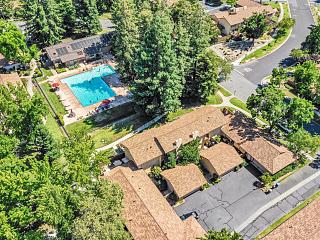
What is it like to live in Walnut Creek, California?
Walnut Creek sits in central Contra Costa County at the junction of Interstate 680 and Highway 24, with Pleasant Hill to the north, Concord to the northeast, Lafayette to the west, Alamo and Danville to the south, and Mount Diablo State Park to the east. What sets it apart from most of its neighbors is the scale of its downtown: a genuine retail, dining and arts district with Broadway Plaza at its center, the Lesher Center for the Arts, and a growing amount of housing built right into it. Away from that core, the city turns quickly residential — tree-lined streets, hillside neighborhoods, and access to thousands of acres of regional open space along the eastern and southern edges.
What types of homes are available in Walnut Creek?
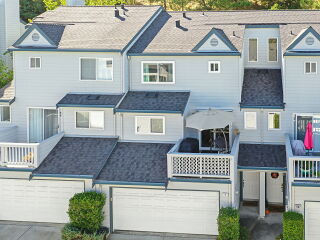
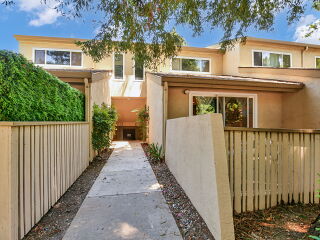
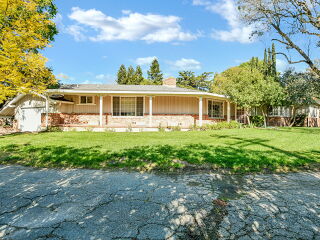
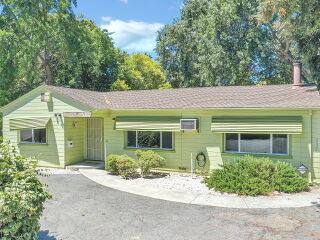
More variety than most cities of its size in the county. There are established single-family neighborhoods built from the 1940s through the 1970s, larger-lot and semi-rural properties on the hillsides toward Mount Diablo and along the Lafayette side, newer infill construction, townhomes, and a significant condominium market — both older complexes and newer mid-rise buildings in and around downtown. Walnut Creek also contains Rossmoor, a large age-restricted community with its own housing types and rules. Because those categories behave differently, the right comparable sales for one are rarely the right comparable sales for another.
What should I know before buying a home in Walnut Creek?
Know which Walnut Creek you're buying in. A downtown condominium, a mid-century home in Walnut Heights or Parkmead, and a larger hillside property on the Mount Diablo side are three different purchases with different comparable sales, different inspection priorities and, for condominiums and townhomes, different HOA documents and lender considerations. Also confirm jurisdiction: some addresses with Walnut Creek mailing addresses — parts of Saranap and portions of the Tice Valley area, for example — are in unincorporated Contra Costa County rather than the city. That affects which agency handles permits and services, and it's worth verifying rather than assuming.
What should I consider when selling a home in Walnut Creek?
Your competition is specific. A buyer looking at a downtown condominium is not the same buyer weighing a single-family home in Northgate, so pricing and presentation should be built against the inventory your property actually competes with. From there it's the usual levers done carefully: a prep list that focuses on cosmetic condition and curb appeal rather than a major remodel, documentation of permits and system replacements assembled before listing, professional photography, and a launch plan timed deliberately. For condominiums and townhomes, having complete HOA documents ready early prevents delays once you're in contract.
How do I choose a Realtor in Walnut Creek?
Ask for the specific recent sales behind their pricing opinion, and ask whether those sales are from your immediate area and property type — in a city with this much housing variety, that distinction matters. Ask how they handle inspection negotiations, whether you'll work with them directly or be handed to a team member, and how they'd position your home against the inventory it competes with. Someone working Contra Costa County regularly will be able to answer all of that in specifics.
Does Mari Wines work with first-time home buyers in Walnut Creek?
Yes. Walnut Creek comes up often with first-time buyers because condominiums and townhomes give it entry points that a strictly single-family market doesn't have. I help first-time buyers understand financing, read HOA documents and reserves, evaluate condition, structure an offer that's competitive on more than price, work through inspections and negotiations, and understand each step through closing.
Does Walnut Creek have BART?
Yes. The Walnut Creek BART station is on Ygnacio Valley Road near the I-680 corridor, on the Yellow Line, and it's inside the city. The Pleasant Hill/Contra Costa Centre station, one stop north, is also close to the north end of Walnut Creek — that one is actually located in the unincorporated Contra Costa Centre area on Treat Boulevard rather than in the City of Pleasant Hill. Depending on where in Walnut Creek you are, either can be the practical choice.
What is the difference between Downtown Walnut Creek and the surrounding residential areas?
Downtown is a walkable, mixed-use district — Broadway Plaza, Main Street and Locust Street retail, restaurants, the Lesher Center for the Arts — with condominiums and apartments built into and around it. Living there means walkability and activity close at hand, usually in attached housing. The surrounding areas are predominantly single-family neighborhoods where you drive or bike to downtown rather than walk out into it, with more lot, more quiet and, in the hillside areas, more terrain. Both are Walnut Creek; they're simply different lifestyles and different housing types.
Is Rossmoor part of Walnut Creek?
Rossmoor is a large planned community located in Walnut Creek, off Rossmoor Parkway on the west side of the city. It's an age-restricted community governed by Golden Rain Foundation and its mutuals, with its own facilities, governance and rules, and residency requirements tied to a minimum age. Because eligibility, fees and rules are set by those governing documents and can change, anyone considering Rossmoor should review the current documents directly — I'm happy to help you get them, but they're the authority, not me. Rossmoor is also its own housing market and isn't representative of Walnut Creek housing generally.
What other East Bay communities does Mari Wines serve?
In addition to Walnut Creek, I work throughout Contra Costa County and the surrounding East Bay, including Pleasant Hill, Martinez, Concord, Lafayette, Alamo, Clayton, Danville, Brentwood, Oakley, Antioch, Pittsburg and Benicia.